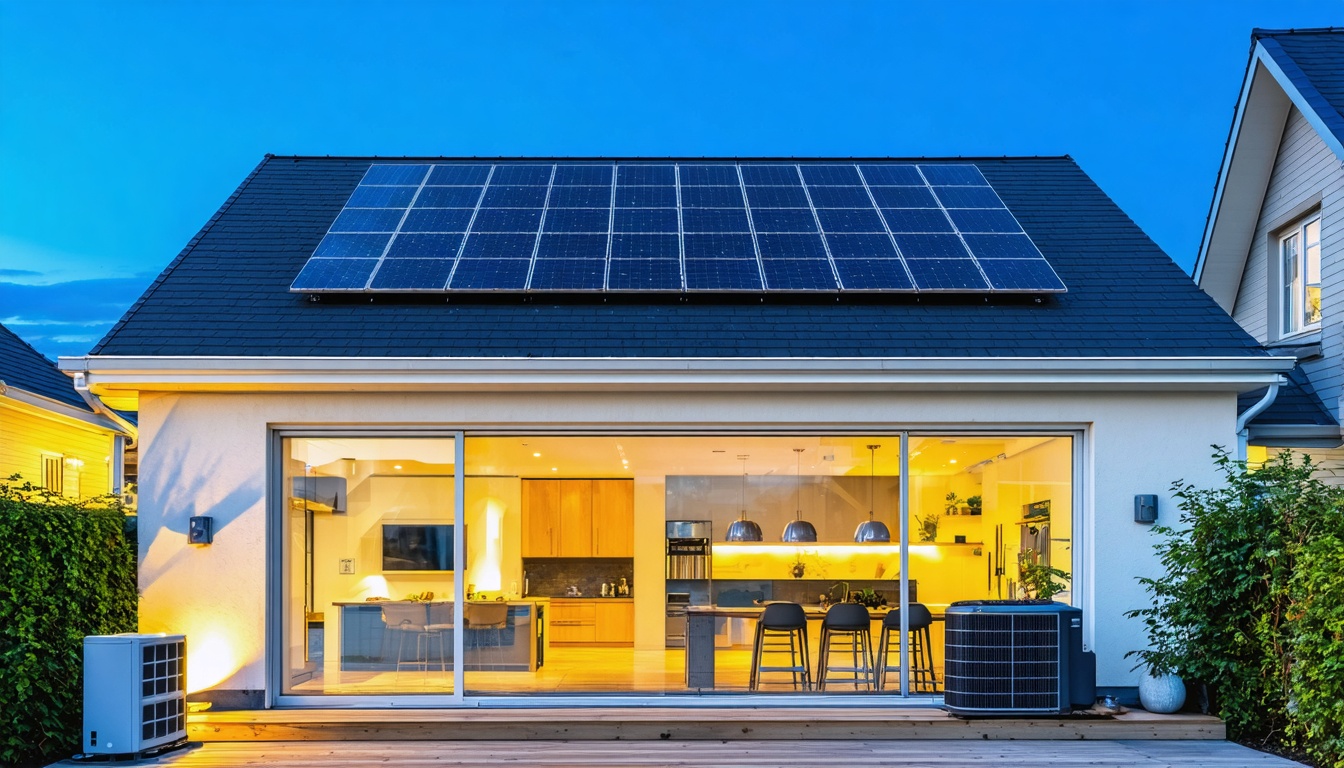
Home Energy Efficiency Improvements That Complement Solar Power
If you are considering the installation of solar power, it is advisable to enhance your home’s energy efficiency before proceeding. Increased energy efficiency can lead to greater overall benefits, including reduced energy costs, minimized waste, and improved year-round comfort. Implementing upgrades such as improved insulation, high-quality windows, and the integration of smart technology can optimize the performance of solar energy systems. By enhancing your home’s energy efficiency, you can maximize the savings from your solar investment and reduce your environmental impact. Energy-efficient improvements may also contribute to an increase in your property's market value, making them a practical option for homeowners looking to improve both energy performance and investment return. To realize these advantages, various steps can be taken, including conducting an energy audit, upgrading existing insulation, installing energy-efficient windows, and integrating smart home technologies that monitor and manage energy use effectively.
The Importance of Energy Efficient Upgrades for Homeowners
Enhancing the energy efficiency of a home can result in lower utility costs and improve the effectiveness of solar power systems. Notable upgrades include the installation of energy-efficient windows, heat pumps, and appliances that meet ENERGY STAR standards. These upgrades are associated with decreased heat loss and reduced electricity consumption, which can be further optimized by integrating solar energy solutions, such as those available in New Haven, Solar Energy in New Haven.
Homeowners may also consider specific improvements such as sealing air leaks, increasing insulation, utilizing smart thermostats, and upgrading to heat pump water heaters. Implementing these strategies can lead to significant enhancements in a home's energy efficiency and support sustainable energy practices.
In addition, homeowners in the United States may qualify for federal tax credits for energy-efficient upgrades, with potential savings of up to $3,200 annually. These credits can mitigate financial expenses while simultaneously reducing carbon emissions and enhancing indoor air quality.
It is recommended that homeowners consult with professionals to develop customized solutions that address their unique circumstances.
Enhancing Comfort and Reducing Costs with Home Improvements
A systematic approach to home energy improvements can enhance comfort and reduce utility costs. Upgrades such as Energy Star-rated windows and smart thermostats enable homeowners to maximize solar energy utilization while decreasing air leaks and heat loss.
Replacing outdated heating systems with modern heat pumps, or installing heat pump water heaters and electric water heaters, can provide an adequate supply of hot water and improve indoor air quality.
Many energy-efficient upgrades qualify for federal tax credits and incentives, which are available to homeowners in various regions of the United States.
Current trends indicate that such improvements may lead to a lower carbon footprint and support sustainability efforts in both residential and commercial sectors.
Overall, incorporating energy-efficient technologies can result in substantial long-term cost savings while promoting environmentally responsible practices.
Professional Sealing and Insulation Strategies
Effective sealing and insulation play a critical role in enhancing energy efficiency within residential buildings, particularly when combined with solar power systems. The primary goal is to reduce air leaks, which can lead to significant energy loss, accounting for up to 25% of heating and cooling costs.
Improving insulation in areas such as attics and walls can notably decrease heat transfer, contributing to better indoor air quality and increased comfort levels.
Enhanced insulation and proper sealing can also improve the performance of solar panels, promoting stable energy production throughout the year. Homeowners may consider investing in energy-efficient technologies such as heat pumps, advanced heat pump water heaters, and smart thermostat systems to further boost their energy efficiency.
It is important for homeowners in the United States to be aware of possible federal tax credits that may be available to offset installation costs, thereby potentially reducing energy expenses and minimizing environmental impact.
For a thorough assessment of sealing and insulation needs in a home, seeking advice from a qualified professional or a certified Star Partner is recommended.
Upgrading Windows, Doors, and Appliances for Greater Efficiency
Upgrading windows, doors, and appliances plays a significant role in enhancing the energy efficiency of homes, especially in conjunction with the use of solar energy systems. The installation of high-performance windows and doors minimizes air leakage and heat loss, contributing to improved indoor comfort and potentially lower energy costs.
Energy-efficient appliances, particularly those certified by ENERGY STAR®, are designed to optimize energy consumption. These appliances can effectively complement the energy generated by solar power systems, leading to reduced electricity expenses over time and offering better overall returns on investment.
In the United States, federal tax credits have been established to support homeowners in making these energy-efficient upgrades. These incentives can help offset some of the initial expenses associated with such improvements, thereby making them more financially accessible.
Investing in upgrades to windows, doors, and appliances not only supports sustainable energy usage but also has implications for indoor air quality and overall environmental impact.
For homeowners interested in exploring these potential upgrades and understanding their specific advantages, engaging with a qualified professional can provide essential insights and assistance.
Transitioning to Electric Heat Pump Water Heaters
When considering enhancements to home energy efficiency alongside solar power, replacing conventional water heaters with electric heat pump water heaters (HPWHs) is a viable option. Research indicates that HPWHs can achieve up to 60% greater energy efficiency compared to traditional water heaters. This increased efficiency can improve the overall effectiveness of solar panel systems by better aligning energy consumption with available production.
The implementation of HPWHs also aids in decreasing carbon emissions, which is important for achieving environmental sustainability goals.
The U.S. federal government currently provides tax credits of 30% for installation costs related to HPWHs, applicable through 2025. This financial incentive may facilitate the transition to more energy-efficient appliances for homeowners.
For individuals looking to undertake such upgrades, consulting with an ENERGY STAR Partner can offer expert guidance and insight on potential financial advantages related to sustainable home modifications.
Integrating Smart Technology for Optimal Energy Management
Integrating smart technology into home energy management can improve the efficiency of solar energy systems. Smart thermostats, for example, optimize indoor climates by adapting to user behaviors and preferences, potentially leading to lower energy costs.
Moreover, smart lighting solutions and real-time energy monitoring help in the effective use of electricity generated from solar panels.
Recent studies suggest that both residential and commercial properties have achieved annual energy savings of around 15%. Contributing factors to these savings include the adoption of Energy Star-rated appliances, the sealing of air leaks around windows, and the use of smart technologies for systems such as water heaters and heat pumps.
These developments not only reduce operational expenses but also help in decreasing carbon emissions, thereby supporting wider sustainability efforts.
Solar Panel Installation and Its Role in Energy Efficiency
The installation of solar panels is a practical method for reducing reliance on traditional energy sources while also decreasing monthly utility costs. Recent trends indicate that a growing number of residential and commercial properties in the United States are adopting solar technology to improve energy efficiency and sustainability.
To enhance the effectiveness of solar panel systems, it is beneficial to work with qualified professionals who can identify potential energy inefficiencies. Common recommendations include sealing air leaks, upgrading windows, and implementing smart technology such as Smart Thermostats to better manage energy consumption.
Additionally, replacing conventional water heaters with more efficient heat pump models and improving insulation can further reduce heat loss in buildings.
These complementary measures play a vital role in optimizing the overall performance of solar panels. They can lead to reduced carbon emissions and a more stable indoor climate throughout the year. By addressing these various aspects, property owners can maximize the return on their investment in solar energy, benefiting both financially and environmentally.
Federal Tax Credits for Energy Efficient Home Improvements
Investing in energy-efficient home improvements can result in considerable upfront costs; however, federal tax credits are available to assist U.S. homeowners in offsetting these expenses.
Homeowners can potentially recover up to $3,200 annually through these credits on qualifying improvements. This includes projects such as upgrading windows, installing Energy Star-rated water heaters, and purchasing new heat pumps.
The implementation of energy-efficient upgrades is beneficial not only for reducing energy consumption but also for improving overall household comfort and air quality.
For example, the installation of a Heat Pump Water Heater or a smart thermostat may lead to enhanced energy efficiency.
To claim these credits, homeowners are required to complete IRS Form 5695. Starting next year, it will be necessary for homeowners to include a Qualified Manufacturer (QM) code for eligible products like heat pumps to comply with IRS regulations.
In summary, utilizing these federal tax credits can result in financial savings while contributing to improved energy efficiency and sustainability in residential settings.
Strategies for Maximizing Savings and Financing Clean Energy Initiatives
To ensure a robust return on investment in clean energy, initiating a home energy audit is advisable. This evaluation can pinpoint specific upgrades that may enhance the efficiency of your solar system.
A practical method for optimizing tax credits includes staggering the implementation of various projects—such as installing energy-efficient windows, a new heat pump, or a smart thermostat—over several years. This method maximizes available tax benefits.
In the United States, federal incentives can significantly alleviate costs, covering up to 30% of eligible expenditures related to clean energy initiatives.
It is also beneficial to investigate financing options that facilitate the allocation of expenses over time. This approach can render investments in technologies like Energy Star-rated heat pumps or heat pump water heaters more manageable, while simultaneously contributing to improved indoor air quality and a lower carbon footprint.
In summary, strategic planning and utilization of available resources can foster both financial and environmental advantages.
Conclusion
Upgrading a home’s energy efficiency is an important consideration for homeowners, particularly those with solar power systems. Improving energy efficiency can lead to lower utility bills and enhance the overall comfort of the living space. Key improvements include sealing air leaks and enhancing insulation, which can prevent heat loss and reduce reliance on heating and cooling systems. Upgrading to energy-efficient appliances also contributes to energy savings, as these appliances are designed to consume less electricity compared to standard models. Furthermore, installing energy-efficient windows can reduce heat transfer, thereby improving insulation and natural lighting, which may complement solar energy usage. Integration of smart technology can provide homeowners with greater control over energy consumption, allowing for monitoring and adjustments that can lead to further savings. Additionally, energy-efficient upgrades can increase a property’s market value, as prospective buyers may find homes with such improvements more appealing. It is advisable for homeowners to research available incentives for energy efficiency improvements to offset initial costs. Each upgrade should be viewed as a sustainable investment towards reducing both energy consumption and carbon emissions, contributing to a healthier environment.